A failed head gasket in a diesel engine may cause coolant loss, white exhaust smoke, oil contamination, or bubbles in the cooling system. If the gasket needs replacement, choosing the correct part requires more than matching the engine model. Some diesel engines use different gasket thicknesses or grades based on piston protrusion, making accurate identification important before ordering.
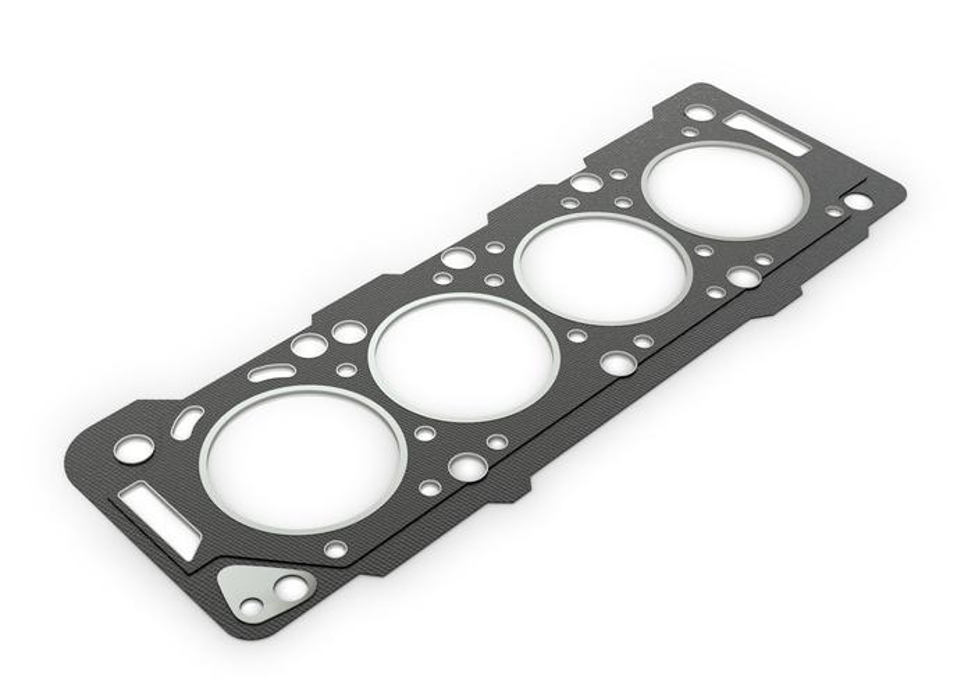
A head gasket seals the connection between the cylinder head and engine block. It helps contain combustion pressure while keeping coolant and engine oil in their proper passages. When the seal fails, it can affect engine performance and lead to further damage if the underlying problem is not corrected.
What Are the Signs of a Blown Head Gasket in a Diesel Engine?
A failing head gasket can produce several warning signs. However, these symptoms may also indicate other engine problems.
Common signs include:
- Unexplained coolant loss: Coolant levels continue dropping without an obvious external leak. A damaged gasket may allow coolant to enter a cylinder or another engine passage.
- White exhaust smoke: Persistent white smoke after the engine warms up may indicate coolant entering the combustion chamber. Unburned diesel fuel can also produce white smoke.
- Oil contamination: Coolant mixing with engine oil may create a milky appearance. Contaminated oil can reduce lubrication and increase engine wear.
- Bubbles in the coolant: Combustion gases entering the cooling system may cause continuous bubbling or unusual pressure buildup.
- Engine overheating: A damaged gasket may contribute to overheating through coolant loss or combustion gases entering the cooling system.
- Rough running or reduced power: A loss of cylinder compression can affect combustion and engine performance.
Not every failed gasket produces all these symptoms.
How Can You Confirm Head Gasket Failure?
Symptoms alone cannot confirm a failed head gasket. A qualified technician may perform several tests to identify the source of the problem.
Common diagnostic methods include:
- Cooling system pressure testing: Helps identify coolant leaks and pressure loss.
- Combustion gas testing: Checks for signs of combustion gases entering the cooling system.
- Cylinder compression testing: Helps identify cylinders with reduced compression.
- Cylinder leak-down testing: Can help locate certain sealing problems.
- Cylinder head inspection: Checks for gasket damage, cracks, or surface distortion after disassembly.
A cracked cylinder head or another cooling system problem can produce similar symptoms. Confirming the cause before ordering parts helps avoid unnecessary repairs.
What Causes Head Gasket Failure in Diesel Engines?
Diesel engine head gaskets operate under high combustion pressures and changing temperatures. Several conditions can weaken the seal between the cylinder head and engine block.
Engine Overheating
Excessive heat can cause the cylinder head and engine block to expand unevenly. In severe cases, the cylinder head may warp, preventing the gasket from maintaining a proper seal.
Overheating can also damage the gasket material.
Identifying the cause of diesel engine overheating is important before installing a replacement gasket.
Incorrect Head Bolt Installation
Cylinder head bolts provide the pressure needed to hold the head gasket securely between the cylinder head and engine block.
Problems may develop when bolts are:
- Tightened using incorrect torque specifications.
- Installed in the wrong tightening sequence.
- Reused when the manufacturer requires replacement.
- Damaged, stretched, or unable to maintain proper clamping force.
Damaged Cylinder Head or Engine Block Surfaces
Warping, corrosion, scratches, or other damage to the cylinder head or engine block surfaces can prevent the gasket from sealing correctly. Installing a new gasket without correcting these problems may lead to another failure.
Incorrect Gasket Selection or Installation
Using the wrong gasket thickness, grade, or configuration can affect the engine’s sealing and operating clearances.
Improper surface preparation, incorrect gasket orientation, or failure to follow installation instructions can also cause problems.
This is why identifying the correct replacement gasket is just as important as diagnosing the original failure.
Why Does Head Gasket Thickness Matter?
Head gasket thickness affects the clearance between the piston and cylinder head. Some diesel engines use different gasket thicknesses to maintain the clearances specified by the manufacturer.
One factor used to select the correct thickness is piston protrusion. Piston protrusion describes how far the piston rises above the engine block’s top surface when it reaches its highest position, known as top dead center.
Installing an incorrect thickness can create problems:
- A gasket that is too thin may reduce the clearance between the piston and cylinder head, increasing the risk of mechanical interference.
- A gasket that is too thick may change the space available for compression inside the cylinder, potentially affecting combustion performance.
Kubota® V2203 and V2403 Head Gasket Thickness Examples
Certain Kubota V2203 and V2403 engine configurations may use different head gasket thicknesses. Thickness options for these engines include:
The difference between the thinnest and thickest options is only 0.10 mm, but that difference may affect the engine’s operating clearances. The correct grade must be confirmed using the applicable engine specifications.
How Do You Choose the Correct Replacement Head Gasket?
Selecting the correct gasket starts with identifying the engine and checking its specifications.
Step 1: Identify the Engine Model and Serial Number
Locate the engine identification plate or manufacturer’s identification markings. Record the complete engine model, serial number, and equipment application.
For example, identifying an engine as a Kubota V2403 is a useful starting point. However, complete engine identification may be needed to determine which gasket configuration applies.
Engines within the same model family can have different specifications depending on their production version or application.
Step 2: Check the Existing Gasket Markings
Before discarding the old head gasket, inspect it for identification markings. Depending on the engine manufacturer, these may include:
- Notches or tabs along the gasket edge.
- Holes or other grade markings.
- Part numbers.
- Thickness indicators.
Some manufacturers use notch grades to distinguish gasket thicknesses.
The meaning of these markings varies by engine manufacturer and model. A one-notch gasket on one engine should not be assumed to have the same thickness as a one-notch gasket on another.
Photograph the existing markings and record any readable part numbers before ordering. Keep in mind that a previous repair may have used the wrong gasket. Compare the markings with the engine specifications rather than assuming the original part was correct.
Step 3: Confirm the Required Gasket Thickness
For engines that use graded head gaskets, the manufacturer’s service manual may specify the required thickness based on piston protrusion.
A qualified technician can check the applicable measurements and compare them with the manufacturer’s gasket selection specifications. The correct measurement points, procedures, and acceptable ranges vary by engine.
If the original gasket markings are missing or the engine has undergone previous repairs, additional checks may be necessary. Cylinder head or engine block machining may also affect the measurements that need to be checked.
Do not estimate piston protrusion or choose a gasket thickness without confirming the manufacturer’s requirements.
Step 4: Match the Replacement Gasket to the Engine
Once the required gasket grade is known, compare the replacement part with the engine’s parts information.
Confirm the following:
- Complete engine model and serial number.
- OEM reference number, if available.
- Required gasket thickness or grade.
- Existing gasket markings and photographs.
- Equipment application.
- Repair history, including any cylinder head or engine block machining.
- Related parts, such as head bolts or a top gasket set.
The same identification process applies to other diesel engine manufacturers. For example, buyers looking for Yanmar® engine parts should confirm the engine model, serial number, and applicable gasket specifications before ordering.
Two engines with similar cylinder configurations or displacement do not necessarily use interchangeable head gaskets.
What Other Parts Should You Check When Replacing a Head Gasket?
A head gasket replacement may involve additional components. Checking these parts before ordering can help avoid delays during the repair.
Cylinder Head Bolts
Before reusing existing bolts, check the manufacturer’s service instructions.
Some engines require new head bolts during reassembly, particularly when torque-to-yield bolts are used. These bolts are designed to stretch during tightening and may not be reusable after removal.
If replacement bolts are required, include them in the parts order and follow the specified tightening sequence and torque procedure.
Top Gasket Sets
A top gasket set, also called an upper gasket set, may contain several gaskets and seals needed when removing and reinstalling the cylinder head.
Depending on the engine and kit configuration, the set may include:
- Cylinder head gasket.
- Valve cover gasket.
- Intake manifold gaskets.
- Exhaust manifold gaskets.
- Other upper-engine seals.
Not every top gasket set contains the same parts. Some kits may exclude the cylinder head gasket or require a specific gasket thickness to be ordered separately.
Check the contents of the kit before purchasing, especially when the engine uses graded head gaskets.
Cylinder Head Inspection
Before installing a new gasket, the cylinder head should be inspected for damage.
A qualified technician may check for:
- Warping or uneven surfaces.
- Cracks or visible damage.
- Corrosion around coolant passages.
- Damage to the gasket sealing surface.
- Surface finish problems.
If the cylinder head is warped or cracked, replacing the gasket alone may not correct the underlying problem.
Any machining or repair work must remain within the manufacturer’s specified limits.
Find Diesel Engine Head Gaskets and Replacement Parts at Maxiforce
Maxiforce offers quality aftermarket diesel engine parts for a range of applications, including Kubota and Yanmar engines.
Whether you need a replacement head gasket, a top gasket set, head bolts, or other engine repair components, having the correct engine information helps narrow your options.
Explore the Maxiforce parts catalog or contact the Maxiforce team with your engine model, serial number, and gasket markings to discuss available replacement parts for your application.
FAQs: Diesel Engine Head Gasket Replacement
1. Can I use a thicker head gasket in my diesel engine?
Only if the thicker gasket meets the engine manufacturer’s specifications. Some engines use different thicknesses based on piston protrusion. Installing a gasket that is too thick may change the engine’s compression geometry and affect performance.
2. How do I identify the correct head gasket grade?
Check the existing gasket for notches, holes, part numbers, or other grade markings. Compare those details with the manufacturer’s parts information. If the engine uses graded gaskets, the correct thickness may also depend on piston protrusion measurements.
3. Should I replace the head bolts when changing the head gasket?
Sometimes. It depends on the engine manufacturer’s requirements. Some head bolts can be reused if they meet inspection and reuse specifications, while others must be replaced after removal. Always follow the applicable service instructions.