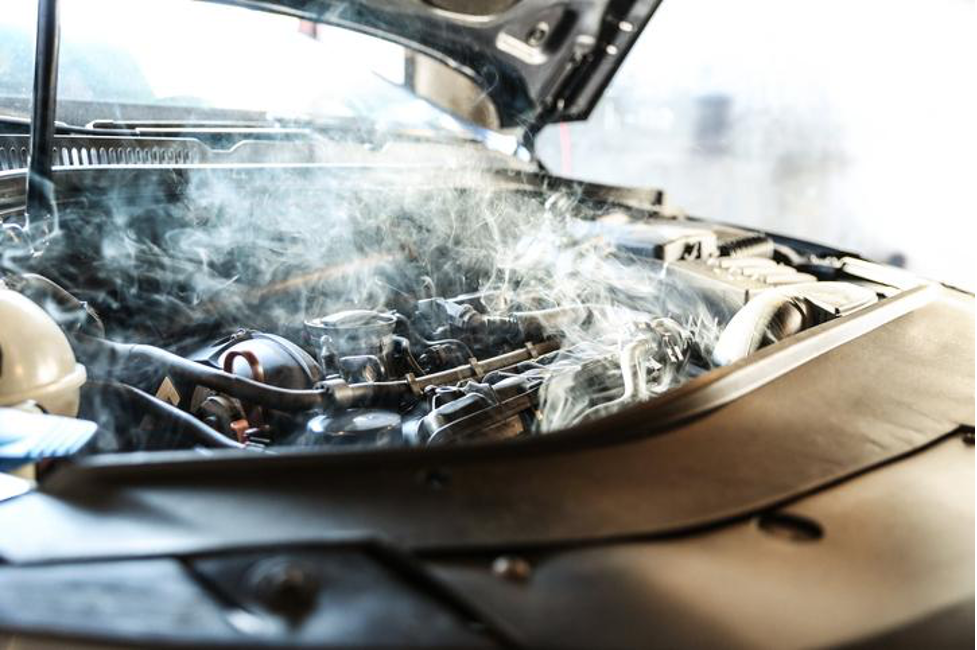
A diesel engine may overheat because of low coolant, a blocked radiator, a damaged belt, or a failing component such as a thermostat or water pump. To find the cause, start with basic cooling system checks before replacing mechanical parts.
Overheating can affect tractors, construction equipment, generators, and other diesel-powered machinery. If the problem continues, excessive heat can damage cylinder heads, head gaskets, pistons, and piston rings.
Knowing which warning signs to look for can help you identify the likely cause, select the correct replacement diesel engine parts, and avoid further damage.
What Are the Most Common Causes of Diesel Engine Overheating?
Diesel engine overheating usually results from a maintenance problem, a cooling system component failure, or a combination of both.
Maintenance issues often involve low coolant levels, restricted airflow, or worn external parts. Mechanical failures occur when components can no longer control coolant flow or remove heat effectively.
Maintenance Problems That Cause Overheating
Before assuming a major component has failed, inspect these common trouble spots:
- Low coolant levels: Insufficient coolant reduces the system’s ability to absorb and transfer heat. Low levels may result from leaking hoses, loose connections, radiator damage, or other cooling system leaks.
- Radiator or airflow restrictions: Dirt, dust, and debris can block radiator fins, screens, and surrounding cooling areas. Internal radiator deposits may also restrict coolant flow.
- Loose or damaged belts: A slipping or broken belt can affect the operation of a belt-driven water pump or cooling fan.
- Damaged coolant hoses: Cracked, leaking, or collapsed hoses can cause coolant loss or restrict circulation.
For example, a tractor operating in a dusty field may begin running hot when crop debris collects around the radiator. Cleaning the radiator and restoring airflow may resolve the problem without replacing the water pump or thermostat.
Safety reminder: If the engine temperature rises beyond its normal operating range, reduce the load and shut down the equipment according to the manufacturer’s instructions. Allow the engine to cool before inspecting cooling system components. Never open a hot, pressurized cooling system or work near moving belts and fans.
Cooling System Component Failures
If routine maintenance checks do not reveal the cause, the problem may involve one of these components:
- Thermostat: Regulates coolant flow through the radiator as the engine reaches operating temperature.
- Water pump: Circulates coolant through the engine and cooling system.
- Radiator: Transfers heat from the coolant to the surrounding air.
- Cooling fan or fan clutch: Helps move air through the radiator, particularly during low-speed operation.
- Head gasket: Seals the cylinder head to the engine block and separates combustion gases, coolant, and oil passages.
Several of these failures can produce similar symptoms. Testing is necessary to determine which component needs repair or replacement.
How Can You Tell if a Thermostat or Water Pump Is Failing?
A faulty thermostat may prevent coolant from flowing through the radiator, while a failing water pump may reduce coolant circulation throughout the engine.
Persistent water pump leaks, bearing noise, or excessive shaft movement can point toward pump failure. A thermostat that does not open at its specified temperature may cause overheating. However, these symptoms are not enough to confirm a diagnosis without further inspection.
Signs of a Faulty Diesel Engine Thermostat
The thermostat helps regulate engine temperature by controlling coolant flow through the radiator.
When the engine is cold, the thermostat generally remains closed or limits radiator flow. As coolant reaches the specified temperature, it opens to allow more coolant to pass through the radiator.
A thermostat stuck closed may cause:
- Engine temperatures to rise above the normal operating range during warm-up.
- Restricted coolant flow through the radiator.
- Continued overheating despite adequate coolant and a clean radiator.
A thermostat stuck open usually causes slow warm-up or unusually low operating temperatures rather than overheating.
A technician can test the thermostat using the manufacturer’s recommended procedure and opening-temperature specifications.
What Does a Water Pump Weep Hole Leak Mean?
Many water pumps have a small opening called a weep hole. It allows coolant that passes an internal seal to escape rather than collecting around the pump bearings.
Persistent coolant leakage from this opening may indicate a deteriorating seal.
Some pump designs may permit limited moisture under certain operating conditions. However, repeated dripping, visible coolant trails, or increasing coolant loss should be investigated according to the manufacturer’s specifications.
What Does Water Pump Bearing Noise Sound Like?
Worn water pump bearings may produce grinding, whining, or rumbling sounds.
The noise may become more noticeable as engine speed increases. Similar sounds can also come from belt tensioners, alternators, or other rotating components.
A technician should isolate the noise and inspect the pump for bearing roughness, excessive shaft movement, or leakage before deciding whether replacement is necessary.
Can a Worn Water Pump Impeller Cause Overheating?
Yes. A damaged, corroded, worn, or loose impeller may reduce coolant circulation even when the pump shaft continues turning.
This problem may become more noticeable under heavy engine loads.
For example, a diesel tractor may operate at a normal temperature while idling but begin overheating when pulling equipment through a field.
Reduced water pump performance is one possible cause. However, restricted radiator airflow, a failing cooling fan, or other cooling system problems can produce the same pattern.
Thermostat vs. Water Pump Failure: Key Differences
The following comparison can help narrow down possible cooling system problems.
| Warning Sign |
Possible Thermostat Failure |
Possible Water Pump Failure |
| Overheating during warm-up |
May indicate a thermostat stuck closed |
Possible, but not specific to the pump |
| Coolant leaking from pump weep hole |
Not a typical symptom |
May indicate a failing internal seal |
| Grinding or rumbling near the pump |
Not a typical symptom |
May indicate worn bearings |
| Overheating under heavy load |
Possible |
Possible if coolant circulation is reduced |
| Slow engine warm-up |
May indicate a thermostat stuck open |
Not a typical symptom |
| Excessive pump shaft movement |
Not applicable |
May indicate bearing damage |
| Damaged or worn impeller |
Not applicable |
May reduce coolant flow |
How Should You Diagnose a Diesel Engine That Keeps Overheating?
A step-by-step inspection can help identify the cause without replacing parts unnecessarily.
1. Check Coolant Levels and Visible Leaks
With the engine completely cool, inspect the coolant level and look for leaks around hoses, radiator connections, the thermostat housing, and water pump.
If the coolant level is low, identify the source of the loss before returning the engine to service.
2. Check Radiator Airflow and Fan Operation
Inspect radiator fins, screens, and surrounding areas for debris or damage.
Check the cooling fan and related drive components for visible problems. Fan operation should be assessed using the manufacturer’s procedures.
If the engine overheats mainly during heavy loads or low-speed operation, restricted airflow should be considered along with coolant circulation problems.
3. Inspect Belts and Hoses
Look for worn, cracked, glazed, or loose belts. Check coolant hoses for leaks, swelling, damage, or collapse.
Follow the manufacturer’s specifications for belt condition and tension.
4. Test the Thermostat
If coolant levels, airflow, and external components appear normal, check thermostat operation.
A technician can compare the thermostat’s opening temperature and movement against the manufacturer’s specifications.
Do not assume that a thermostat is working correctly based only on radiator hose temperature.
5. Inspect the Water Pump
Check for weep hole leakage, bearing noise, shaft movement, and visible housing damage.
If the pump is removed, inspect the impeller for wear, corrosion, or damage.
Depending on the engine design, the repair may require a complete water pump or a compatible water pump repair kit.
If overheating continues after these checks, further testing may be needed for internal radiator restrictions, cooling system pressure problems, or engine damage.
What Parts Should Be Replaced Together During Cooling System Repairs?
Replacing a failed water pump or thermostat does not automatically mean replacing every cooling system component.
However, related gaskets, seals, belts, and hoses should be inspected during the repair.
Parts to Check When Replacing a Water Pump
Depending on the engine design, the repair may involve:
- Water pump gaskets or seals: Replace installation seals and gaskets as required to prevent leaks.
- Drive belts: Inspect for wear, cracking, glazing, or damage.
- Belt tensioners and pulleys: Check for bearing noise, improper tension, or excessive wear.
- Coolant hoses: Replace damaged, leaking, or deteriorated hoses.
- Thermostat: Replace if testing confirms a failure or the manufacturer recommends replacement.
Parts to Check When Replacing a Thermostat
When replacing a thermostat, inspect the thermostat housing, gasket or sealing ring, and nearby coolant hoses.
Install a new housing gasket or sealing ring when required by the manufacturer’s procedure. Do not reuse a damaged seal.
The replacement thermostat must meet the engine’s required specifications, including its operating temperature and physical configuration.
After repairs, refill and bleed the cooling system according to the manufacturer’s instructions.
A water pump and thermostat do not always need to be replaced together. Their condition, service history, and the manufacturer’s repair requirements should determine which parts are necessary.
Why Can Running a Diesel Engine Hot Cause Serious Damage?
Diesel engines are designed to operate within a specified temperature range. Excessive heat can affect metal clearances, sealing surfaces, and engine lubrication.
Continued overheating can turn a cooling system repair into a more extensive engine repair.
Cylinder Head Damage
Excessive heat can cause a cylinder head to expand unevenly or warp.
A warped cylinder head may no longer seal properly against the engine block. Severe overheating can also contribute to cracks in the cylinder head.
Depending on the damage, the cylinder head may require inspection, machining, or replacement.
Head Gasket Failure
Overheating can damage the head gasket that seals the cylinder head to the engine block.
A failed gasket may allow combustion gases to enter the cooling system or coolant to leak into areas where it does not belong.
Piston and Piston Ring Damage
Excessive heat can reduce oil protection and affect the clearances between pistons, piston rings, and cylinder liners.
If the protective oil film breaks down, metal surfaces can rub together. Excessive expansion can also reduce the clearance needed for pistons and rings to move properly.
In severe cases, overheating may contribute to:
- Piston scuffing or seizure.
- Sticking or damaged piston rings.
- Cylinder liner scoring.
- Reduced compression.
- Increased oil consumption.
If an engine has experienced severe overheating, fixing the cooling system may not be enough. Internal engine components may also need inspection before the equipment returns to service.
How Do You Identify the Correct Water Pump or Thermostat?
The correct replacement cooling system part depends on the engine model, serial number, and application.
Two machines from the same equipment manufacturer may use different engine configurations. Even similar engines can require different water pumps, thermostats, or repair kits.
Before ordering replacement diesel engine parts, gather:
- Engine manufacturer: Identify the brand of engine installed in the equipment.
- Engine model: Record the complete model designation from the identification plate.
- Engine serial number: Use the serial number to help identify the engine’s production configuration.
- OEM reference number: Record the original part number when available.
- Application: Identify the equipment type and any relevant engine configuration details.
- Water pump identification markings: Record casting numbers, pulley type, and other details required by the parts catalog.
How to Identify a John Deere Water Pump Repair Kit
For John Deere® engines, identifying the correct water pump repair kit may require more than knowing the engine model.
Depending on the application, the water pump casting number and pulley construction can affect which repair kit is suitable.
Some repair kits include an impeller, while others do not.
For example, certain John Deere 300 Series applications list different water pump repair kit configurations based on the pump housing identification.
The John Deere water pump repair kit identification chart helps match pump housing markings with the appropriate repair kit options.
Before ordering, confirm the pump casting number, pulley type, engine details, and whether the repair requires a kit with or without an impeller.
Where Can You Find Replacement Water Pumps and Thermostats?
Maxiforce supplies aftermarket diesel engine parts for multiple engine manufacturers, including John Deere, Perkins®, Cummins®, and Caterpillar®.
Available cooling system components vary by engine model and application.
You can review John Deere replacement engine parts or explore additional diesel engine spare parts for supported applications.
Always confirm the engine model, serial number, and relevant part references before selecting a replacement water pump, thermostat, or related component.
Find Replacement Diesel Engine Cooling System Parts at Maxiforce
Once the cause of overheating is confirmed, Maxiforce can help identify replacement cooling system components for supported diesel engines.
Have your engine model, serial number, OEM reference number, and application details ready when you contact Maxiforce.