

As winter fades and spring approaches, diesel engines face a critical transition period. Months of cold starts, idle time, and harsh weather conditions can take a toll on internal components. When equipment is suddenly pushed back into heavy use during planting, construction, or industrial work, hidden issues from winter can surface quickly. Understanding common winter-to-spring diesel engine problems—and how to prevent them—can save time, reduce downtime, and protect your investment.
This guide covers the most frequent engine issues that appear during seasonal transitions and the steps you can take to keep your diesel engine running smoothly.
Fuel System Contamination
Cold weather often leads to condensation inside fuel tanks. As temperatures rise, water and debris settle in the fuel system, clogging filters and affecting injector performance. This can cause hard starts, rough idling, and power loss.
Prevention: Drain water separators, replace fuel filters, and inspect fuel lines for contamination. Using clean, season-appropriate diesel fuel helps maintain proper combustion.
Battery and Electrical Weakness
Winter places heavy strain on batteries and electrical systems. Even if your engine starts in cold weather, weakened batteries may fail when spring workloads increase.
Prevention: Test battery voltage, clean terminals, inspect cables for corrosion, and replace batteries that struggle to hold a charge. Verify alternator output to ensure proper charging during operation.
Cooling System Wear
Diesel engines rely heavily on cooling systems, especially when temperatures rise in spring. Cracked hoses, weak coolant mixtures, or failing water pumps may go unnoticed during winter but lead to overheating once workloads increase.
Prevention: Inspect hoses, belts, and clamps for wear. Test coolant strength and replace old coolant to prevent corrosion and overheating. Ensure radiators and fans are free of debris.
Oil Contamination and Viscosity Issues
Cold-weather operation thickens oil and allows moisture buildup inside the engine. As spring arrives, contaminated oil may no longer provide proper lubrication under heavier loads.
Prevention: Perform an oil change using the correct viscosity for warmer temperatures. Replace oil filters and inspect for signs of metal debris or fuel dilution.
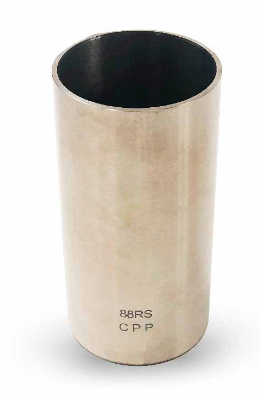
Worn Pistons, Rings, and Cylinder Liners
Repeated cold starts increase wear on internal engine components. Loss of compression often becomes noticeable in spring when engines are expected to deliver full power.
Prevention: Monitor engine performance closely. If you notice power loss, increased oil consumption, or smoke, inspect pistons, rings, and liners. Addressing wear early helps prevent major engine damage.
Fuel Injector and Pump Issues
Cold fuel, residue buildup, and winter idling can affect injectors and fuel pumps. Poor fuel delivery leads to inefficient combustion and increased fuel usage.
Prevention: Replace clogged filters, inspect injectors for wear, and ensure fuel pumps are operating within specifications. Regular inspection keeps fuel systems operating efficiently.
Belt, Hose, and Seal Deterioration
Rubber components become brittle in cold weather and may crack once temperatures rise. Leaks often appear during spring startup or heavy use.
Prevention: Inspect all belts, hoses, gaskets, and seals for signs of cracking or leakage. Replace worn components before they fail under pressure.
How Seasonal Maintenance Prevents Downtime
Transitioning from winter to spring is the ideal time to perform a comprehensive engine inspection. Addressing minor issues early prevents costly failures during peak operating seasons. Regular maintenance also extends engine life and improves fuel efficiency.
Prepare Your Diesel Engine for Spring with Maxiforce
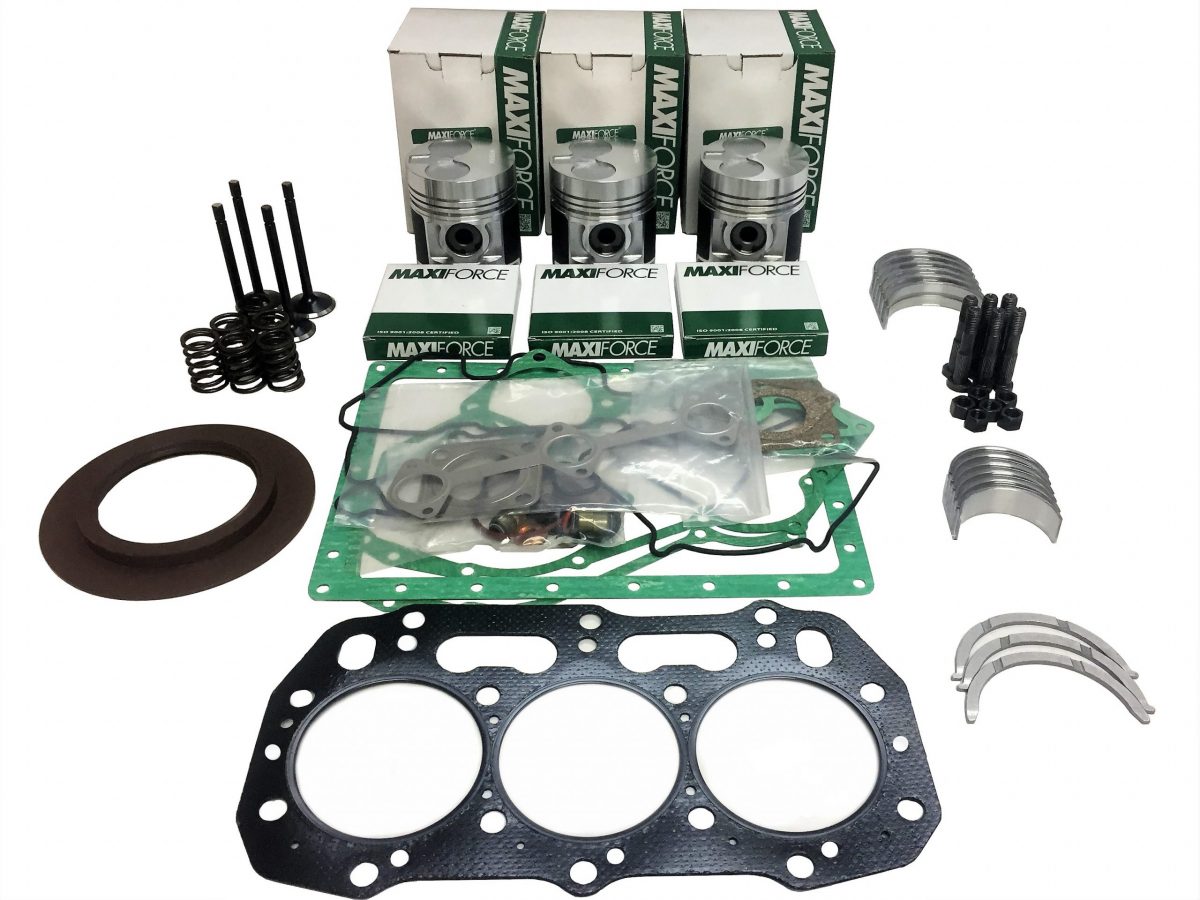
Your diesel engine has worked hard through winter, and spring demands even more. Whether you operate agricultural equipment, construction machinery, marine engines, or generators, Maxiforce provides the high-quality replacement engine parts needed to keep your equipment dependable year-round. From pistons and liners to gaskets and rebuild kits, our team helps you stay prepared for every season.
If your engine shows signs of wear after winter operation, contact Maxiforce today. Our knowledgeable team is ready to help you identify the right replacement parts and keep your diesel engine performing at its best.
FAQs: Seasonal Diesel Engine Maintenance
- Why do engine problems appear in spring after winter operation?
Cold starts, condensation, and reduced lubrication during winter cause wear that becomes more noticeable once engines return to heavier workloads. - When should I perform seasonal maintenance?
Early spring is the best time to inspect, service, and replace worn components before peak usage begins. - What engine brands does Maxiforce support?
Maxiforce supplies high-quality replacement parts for John Deere®, Perkins®, Caterpillar®, Yanmar®, and more. - Can Maxiforce help identify the parts I need?
Yes. Our team can assist with part selection to ensure compatibility and long-term reliability.