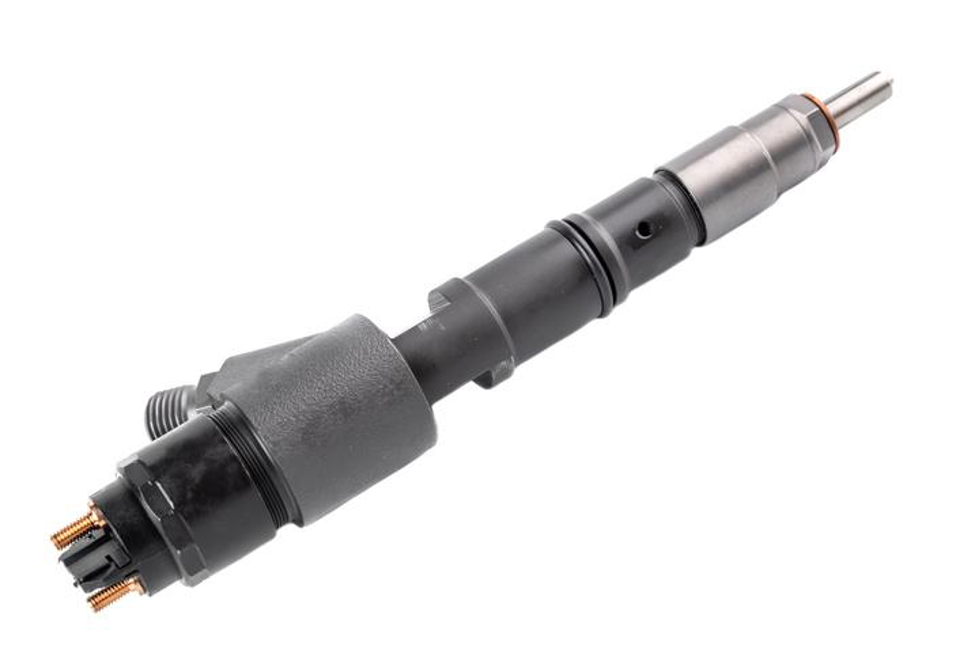
Bad diesel fuel injectors may cause rough idling, engine misfires, excessive exhaust smoke, power loss, and increased fuel consumption. However, these symptoms do not always mean an injector needs replacement. Testing can help determine whether the problem comes from a faulty injector, contaminated fuel, or another engine component.
Fuel injectors deliver measured amounts of diesel fuel into the engine’s combustion chambers. When they become clogged, worn, or damaged, they may affect how efficiently the engine burns fuel.
Understanding the warning signs and the type of fuel injection system your engine uses can help you determine whether to replace one injector, several injectors, or other fuel system components.
What Are the Common Symptoms of Bad Diesel Fuel Injectors?
A failing diesel fuel injector can affect engine performance in several ways.
1. Rough Idling and Engine Misfires
A diesel engine should run at a relatively steady speed when idling. If an injector delivers too much fuel, too little fuel, or an uneven spray, the affected cylinder may not produce the expected power.
Common warning signs include:
- Shaking or vibration while the engine is idling
- Uneven engine speed
- Hesitation during acceleration
- Misfires or irregular engine operation
These symptoms can also result from low compression, fuel supply problems, or other mechanical issues. Injector testing can help identify the cause.
2. Excessive Exhaust Smoke
Exhaust smoke can provide clues about fuel injector problems. However, smoke color alone cannot confirm injector failure.
- Black smoke: May indicate excessive fuel delivery, poor fuel atomization, or insufficient air entering the engine.
- White smoke: May indicate unburned diesel fuel caused by incomplete combustion. Coolant entering the combustion chamber is another possible cause.
- Blue smoke: Usually indicates burning engine oil rather than a direct injector problem. Worn piston rings or valve seals may contribute to this condition.
If excessive smoke appears alongside rough running or power loss, the fuel injection system should be included in the engine diagnosis.
3. Loss of Engine Power
A faulty injector may prevent a cylinder from receiving the correct amount of fuel.
The engine may feel weak under load, respond slowly to the throttle, or struggle to maintain its normal operating speed.
For example, a diesel-powered tractor may run normally at idle but lose power when pulling equipment through a field. Poor injector performance could contribute to this problem, although restricted fuel flow, airflow problems, and engine wear should also be checked.
4. Increased Fuel Consumption
When injectors leak or produce an uneven spray, the engine may burn fuel less efficiently.
You may notice that your equipment consumes more diesel than usual, even when operating under similar conditions.
However, higher fuel consumption does not automatically mean the injectors are faulty. Changes in workload, air filter condition, and other engine problems can also affect fuel use.
5. Hard Starting
Damaged or leaking injectors can sometimes contribute to hard starting by affecting fuel delivery or pressure.
Because several other engine and fuel system conditions can cause starting difficulties, this symptom should be considered alongside other signs of injector trouble.
What Causes Diesel Fuel Injectors to Fail?
Fuel injector failures often develop because of contamination, water exposure, internal wear, or fuel system maintenance problems.
Contaminated Diesel Fuel
Dirt, rust, and other particles can damage the small internal components of a diesel fuel injector.
Injector nozzles contain precisely sized openings that control how fuel enters the combustion chamber. Contamination can interfere with the spray pattern or damage internal sealing surfaces.
Modern high-pressure common rail injectors are especially sensitive to contamination because they rely on tight internal tolerances.
Water in the Fuel System
Water contamination can cause corrosion and reduce the lubricating properties of diesel fuel.
Over time, this may damage injector components and other parts of the fuel injection system.
Water can enter through contaminated fuel supplies, storage tanks, or condensation. Maintaining fuel filtration and water separation equipment can help reduce exposure.
Normal Wear and Tear
Fuel injectors operate repeatedly under demanding conditions. Over time, internal components may wear, affecting fuel delivery and spray quality.
Common wear-related problems include:
- Worn nozzle components
- Internal fuel leakage
- Poor spray patterns
- Damaged sealing surfaces
- Reduced injector performance
Operating conditions, maintenance, fuel quality, and injection system design all influence injector service life.
Fuel System Maintenance Problems
Restricted fuel filters and poorly maintained fuel systems can contribute to injector performance issues.
If contamination is responsible for an injector failure, installing a replacement without correcting the source may allow the same problem to happen again.
How Do Mechanical and Common Rail Injector Problems Differ?
Mechanical diesel injectors and high-pressure common rail injectors perform the same basic function, but they control fuel delivery differently.
Understanding the difference matters because their testing and replacement requirements are not always the same.
| Feature |
Mechanical Injectors |
Common Rail Injectors |
| Operation |
Typically use fuel pressure to open a spring-loaded nozzle |
Use electronically controlled fuel delivery from a high-pressure rail |
| Common problems |
Nozzle wear, leakage, incorrect opening pressure |
Internal leakage, electrical faults, contamination |
| Testing |
Opening-pressure, leakage, and spray tests |
Electronic diagnostics, return-flow testing, specialized bench tests |
| Replacement |
Match injector and nozzle specifications |
Match injector specifications and check coding requirements |
Mechanical Diesel Fuel Injectors
Mechanical injectors are commonly found in older diesel engines and equipment that uses conventional mechanical fuel injection systems.
Depending on the injector design and manufacturer requirements, some units can be serviced or rebuilt.
High-Pressure Common Rail Diesel Injectors
Common rail systems use a high-pressure fuel rail to supply electronically controlled injectors. The engine control module determines when and how long the injectors operate based on engine conditions.
Common rail injector problems may trigger diagnostic trouble codes or contribute to abnormal fuel rail pressure.
However, a diagnostic trouble code identifying an injector circuit or cylinder problem does not automatically mean the injector itself has failed. Wiring faults, fuel pressure problems, and other engine conditions may produce similar symptoms.
Important: Never loosen high-pressure fuel lines to check whether a common rail injector is working. Diesel fuel under high pressure can penetrate the skin and cause serious injury. Follow the engine manufacturer’s approved testing and pressure-release procedures.
Should You Replace One Diesel Fuel Injector or the Entire Set?
You may only need to replace one diesel fuel injector if testing confirms that the others are working correctly. Replacing multiple injectors may be appropriate when several units fail testing or contamination has affected the fuel system. The final decision should follow test results and manufacturer recommendations.
When Replacing One Injector May Be Enough
If one common rail injector has a confirmed electrical failure but the others pass the required tests, replacing the affected unit may resolve the problem.
When Replacing Multiple Injectors May Make Sense
Replacing several injectors may be appropriate when multiple units show similar wear or performance problems.
Contamination also matters. If it has reached multiple injectors or other fuel system components, replacing more than one injector may make sense.
High operating hours alone do not mean every injector needs replacement.
If metal particles or other debris have entered a common rail fuel system, the entire affected system may need inspection and repair.
What Other Parts Should Be Replaced With Diesel Fuel Injectors?
Installing the correct injector is only part of the repair. Small sealing components help prevent fuel leakage, combustion gas leakage, and improper injector seating.
Depending on the engine and injector design, replacement may require the following components.
Injector Sealing Washers
Many diesel engines use copper or other specified sealing washers between the injector and cylinder head.
Installing a new injector with an old or damaged sealing washer may allow combustion gases to escape around the injector seat. This can lead to deposits around the injector and may require additional repairs.
Use the washer specified for the engine and follow the manufacturer’s installation instructions.
O-Rings and Fuel Seals
Some injectors use O-rings or additional seals to prevent fuel or oil leakage.
These components can become worn, hardened, or damaged during removal.
Replace seals identified as single-use by the manufacturer and use only materials approved for the application.
Injector Hold-Down Hardware
Some engines use injector clamps and bolts that require specific tightening procedures.
Certain bolts are designed for one-time use.
Check whether replacement hardware is required before reinstalling the injector.
Fuel Lines and Related Components
Some high-pressure fuel lines are designated as single-use components and must be replaced when disconnected.
Other engines may allow reuse under specified conditions.
Always follow the manufacturer’s requirements for fuel lines, injector seats, seals, and installation hardware.
Not every injector uses the same combination of components. Before ordering, confirm which sealing washers, O-rings, seals, hold-down hardware, or fuel lines come with the replacement injector and which must be ordered separately.
How Can You Confirm That a Diesel Fuel Injector Needs Replacement?
Before purchasing replacement injectors, identify the cause of the problem.
- Check the symptoms. Record rough idle, misfires, smoke, power loss, and fuel consumption changes.
- Inspect the fuel supply. Check fuel quality, filters, water contamination, and other possible restrictions.
- Identify the injection system. Determine whether the engine uses mechanical injection or an electronically controlled common rail system.
- Perform the appropriate injector tests. These may include mechanical injector bench testing, electrical checks, return-flow measurements, or other manufacturer-approved procedures.
- Inspect related components. Check whether fuel pumps, fuel lines, wiring, or other engine problems may be contributing to the symptoms.
Visual inspections and fuel filter checks may reveal obvious problems. Confirming an injector failure usually takes the right test equipment for the injection system.
If testing confirms injector failure, record the engine identification information before ordering replacement parts.
The engine model, engine serial number, and applicable OEM reference number can help narrow down the correct replacement.
For some engines, additional identification details, such as a Cummins® CPL, may also be necessary.
Find Replacement Diesel Fuel Injectors From Maxiforce
Once an injector problem has been confirmed, the next step is identifying the correct replacement for your diesel engine.
Maxiforce supplies quality aftermarket diesel engine parts, including fuel injectors, for a range of engine applications.
Explore replacement injectors for Perkins® diesel engines, John Deere® diesel engines, and Yanmar® diesel engines, depending on your application.
Search the Maxiforce catalog by engine model, OEM reference number, or part number, or contact Maxiforce technical support with your engine information and the injector part number, if available, for help confirming the right replacement for your application.
FAQs: Diesel Fuel Injector Problems
1. Can you continue operating a diesel engine with a bad injector?
It is not a good idea. Operating a diesel engine with a faulty injector may cause poor combustion, reduced performance, and, in some cases, engine damage. This is especially true when an injector is leaking excessively or causing serious engine problems. Have the problem diagnosed before returning the equipment to normal service.
2. Can a diesel fuel injector be cleaned instead of replaced?
Sometimes. Some injector problems caused by deposits may be addressed through approved cleaning or servicing procedures. However, cleaning will not correct worn internal components, electrical failures, or physical damage. Testing helps determine whether servicing or replacement is appropriate.
3. How long do diesel fuel injectors last?
There is no single replacement interval for diesel fuel injectors. Service life depends on fuel quality, filtration, operating conditions, maintenance habits, and the type of injection system. Injectors in a well-maintained engine with clean fuel may last much longer than injectors exposed to dirt or water. Instead of replacing injectors based on hours alone, watch for warning signs and test before you replace them.
4. Do I need new sealing washers every time I remove an injector?
In many engines, yes. Injector sealing washers often crush or deform during installation to create a tight seal, so reusing an old washer may lead to combustion gas leaks. Some engines also need new O-rings, seals, or hold-down bolts after an injector is removed. Check the engine manufacturer’s requirements before reinstalling any injector.
5. How do I find the correct replacement injector for my engine?
Start with your engine model, engine serial number, and the OEM reference number from your current injector. Some engines also need extra details, such as a Cummins CPL. With that information, you can search the Maxiforce catalog by engine model or part number. You can also contact Maxiforce technical support for help confirming the right injector for your application.