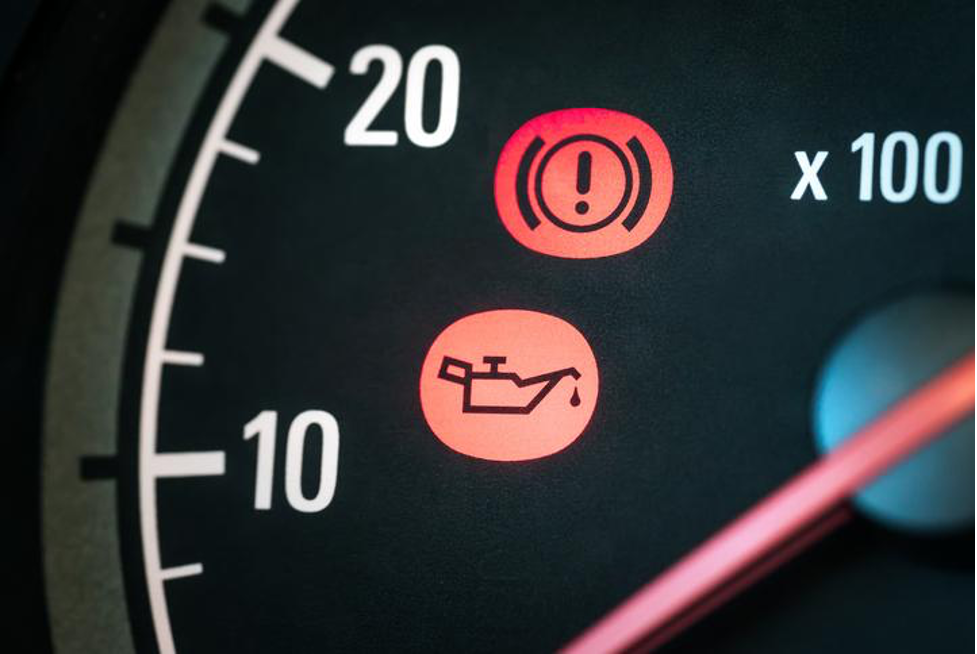
A low oil pressure reading in a diesel engine may indicate a faulty pressure sensor, low oil level, incorrect oil viscosity, restricted oil flow, a worn oil pump, or internal engine wear. Start by confirming the pressure reading, then check the oil and lubrication system before investigating more expensive mechanical problems.
Low oil pressure is a warning you should never ignore. Your engine depends on pressurized oil to protect moving parts, including the crankshaft, bearings, and camshaft. When pressure drops too far, these components may suffer serious damage.
However, a low oil pressure warning does not always mean your engine needs major repairs. The problem could be as simple as a faulty sensor or an incorrect oil level.
The key is knowing what to check first and when to stop running the engine.
When Should You Stop Running a Diesel Engine With Low Oil Pressure?
Shut down your diesel engine as soon as it is safe to do so if the oil pressure warning light stays on, the gauge shows dangerously low pressure, or you hear unusual knocking or grinding sounds.
Continuing to operate the engine could turn a smaller lubrication problem into expensive internal damage.
Warning signs that require immediate attention include:
- Oil pressure warning light: A red oil pressure warning stays on while the engine is running.
- Sudden pressure drop: The gauge falls sharply from its normal operating range.
- Unusual engine noise: Knocking, rattling, or grinding may indicate that moving parts are not receiving enough lubrication.
- Low pressure with rising temperature: The engine is running hotter than normal while oil pressure remains low.
- No pressure after startup: The gauge shows no pressure or the warning light fails to go out within the manufacturer’s specified time.
Do not keep restarting the engine to see whether the warning disappears. If the engine has already been shut down, begin with checks that do not require it to run.
A technician can confirm the actual pressure using the manufacturer’s test procedure before deciding whether further operation is safe.
What Should You Check First When Diesel Engine Oil Pressure Is Low?
Start with checks that require little or no disassembly. The exact order of internal inspections may change depending on your engine’s design and the technician’s findings.
Follow this general troubleshooting sequence:
- Confirm the oil pressure reading.
- Check the engine oil level.
- Verify oil viscosity and look for contamination.
- Inspect the oil filter and pickup screen.
- Check the oil pressure relief valve.
- Inspect the oil pump for wear or damage.
- Investigate possible engine bearing wear.
These checks move from relatively simple and inexpensive problems to components that may require engine disassembly.
1. Confirm the Oil Pressure Reading
Before assuming the engine has a lubrication problem, check whether the pressure reading is accurate.
A faulty oil pressure gauge, sender, sensor, or switch can trigger a warning even when the engine’s actual oil pressure is within specifications.
Start by checking:
- Oil pressure gauge: Look for damaged wiring, poor connections, or an instrument that is not responding correctly.
- Oil pressure sensor or sender: Inspect the electrical connector and wiring for damage, corrosion, or loose connections.
- Oil pressure switch: Check whether a faulty switch could be triggering the warning light.
- Diagnostic fault codes: On electronically controlled engines, review any stored codes related to oil pressure.
An oil pressure switch typically reports whether pressure has crossed a set threshold. A pressure sensor or sender may provide a variable reading to a gauge or electronic control system. These components do not always serve the same function or use the same specifications.
A technician can connect a suitable mechanical test gauge at the manufacturer’s designated pressure test point and compare the result with the engine’s specifications.
Before any test that requires running the engine, check the oil level and look for obvious leaks with the engine shut down. The results help determine what to check next:
- Mechanical pressure is normal, but the warning remains: Inspect the sensor, sender, switch, wiring, or gauge.
- Mechanical pressure is below specification: Investigate the oil supply and lubrication system.
- Pressure cannot be safely confirmed: Leave the engine shut down until proper testing is possible.
Do not run an engine with suspected dangerously low pressure just to test the gauge. Follow the manufacturer’s safe testing procedure.
If testing confirms an electrical fault, replacing the correct oil pressure switch or sensor may resolve the warning without requiring internal engine repairs.
Maxiforce also lists oil pressure sensors for supported John Deere® 4045 applications. Confirm the part number and application before ordering.
2. Check the Engine Oil Level
If the reading is accurate, the next step is checking how much oil is in the engine.
An insufficient oil supply can allow the oil pump to draw air, particularly when equipment is operating on an incline or the oil moves away from the pickup.
With the engine shut down, parked on level ground, and allowed to settle for the recommended time, check the dipstick.
Look for three conditions:
- Below the minimum mark: The engine may not have enough oil to maintain proper lubrication.
- Above the maximum mark: Excess oil can contribute to foaming or aeration in some engines.
- Oil level that keeps dropping: This may indicate an external leak or oil consumption problem.
If the level is low, determine why before returning the engine to service. Adding the correct oil may restore the level, but it does not explain where the oil went.
3. Check Oil Viscosity and Possible Contamination
The next step is determining whether the oil can maintain the correct pressure under operating conditions.
Oil viscosity describes how easily oil flows. If the oil is too thin for the engine’s operating temperature, it may not maintain the required pressure. If it is too thick, especially during cold starts, it may not flow through the lubrication system as intended.
Check the oil grade against the engine manufacturer’s recommendations rather than choosing a viscosity based only on the weather or equipment type.
Also look for signs of contamination.
Fuel Dilution
Fuel entering the crankcase can thin the oil and reduce its ability to maintain pressure. Possible signs include an unexpected rise in oil level, reduced viscosity, or a noticeable diesel fuel odor.
Fuel dilution may be related to injector problems or other fuel system faults, depending on the engine design.
Coolant Contamination
Coolant entering the oil can interfere with lubrication and may indicate a failed gasket, oil cooler, or another internal leak.
Milky or discolored oil can be a warning sign, although contamination is not always visible.
If fuel or coolant contamination is suspected, stop operating the engine until the cause is identified. An oil sample analysis may help confirm contamination that is not obvious from a visual inspection.
4. Inspect the Oil Filter and Pickup Screen for Restrictions
If the oil level and condition appear normal, restricted oil flow may be the next possibility.
The oil filter removes contaminants from circulating oil. A restricted filter may affect oil flow, depending on the engine’s bypass valve design.
A functioning bypass valve may allow oil to continue circulating when the filter becomes restricted, but it does not correct the underlying problem. Not every engine uses the same filter and bypass arrangement.
The oil pickup screen is located inside the oil pan and helps keep larger debris from entering the oil pump. Over time, sludge or other debris may collect around the screen and restrict oil supply.
A technician may check for:
- An incorrect or damaged oil filter
- Filter restriction or bypass valve problems
- Sludge or debris blocking the pickup screen
- Damage to the pickup tube
- Loose pickup connections that may allow air into the oil supply
A clogged pickup screen can prevent the pump from receiving enough oil, even when the crankcase contains the correct amount.
Inspecting the pickup may require removing the oil pan. For that reason, confirm the simpler causes before moving to this step.
5. Check for a Stuck Oil Pressure Relief Valve
The oil pressure relief valve limits maximum pressure by opening at a specified pressure and diverting oil back to the pump inlet or oil pan, depending on the engine design.
If the valve sticks open or cannot close properly, too much oil may bypass the normal flow path, resulting in low pressure.
Possible causes include debris, a damaged spring, or wear affecting the valve’s movement.
A technician may need to inspect the valve, spring, and related passages to determine whether the assembly is operating correctly.
The relief valve’s location varies by engine. On some models, it is built into the oil pump assembly. Follow the manufacturer’s inspection procedure before adjusting or replacing the valve.
6. Inspect the Oil Pump for Wear or Damage
If the earlier checks do not identify the cause, the oil pump itself may need attention.
The oil pump moves oil from the crankcase through the engine’s lubrication system. Internal wear or damage can reduce its ability to supply enough oil.
Potential problems include:
- Worn pump gears or rotors
- Excessive internal clearances
- Damaged pump housing
- Problems with the pump drive mechanism
A worn pump may struggle to maintain pressure, especially when the oil is hot and its viscosity decreases.
For example, a diesel-powered generator may show normal oil pressure during startup, but the reading drops below specification after the engine warms up.
Before replacing the oil pump, a technician should confirm the pressure with a test gauge and check the oil grade, contamination, and relief valve operation.
Oil pressure normally changes with engine speed and temperature. However, pressure that falls below the manufacturer’s specified range after warm-up may indicate pump wear, excessive internal clearances, or another lubrication problem.
A new pump may not solve low oil pressure if the real problem is elsewhere in the engine.
7. Consider Worn Engine Bearings as a Possible Cause
When the gauge, oil supply, filters, relief valve, and pump have been checked, excessive internal engine wear becomes a more serious possibility.
Crankshaft main bearings and connecting rod bearings rely on a controlled flow of pressurized oil.
As bearing clearances increase through wear, more oil can escape through those spaces. This can reduce pressure throughout the lubrication system.
Signs that may point to bearing wear include:
- Low oil pressure when the engine is fully warmed up
- Pressure that drops below specification at idle
- Metallic particles found in the oil or filter
- Knocking sounds coming from the lower engine
Oil pressure is often lower at idle than at higher engine speeds. However, a reading below the manufacturer’s minimum specification should not be dismissed as normal.
These symptoms are not enough to confirm worn bearings on their own. A technician may need to measure internal clearances and inspect components to determine whether bearing wear is responsible.
If low oil pressure is accompanied by a deep knocking sound, shut down the engine and avoid further operation. Continued running could cause additional damage.
What Can the Timing of Low Oil Pressure Tell You?
When the warning appears, it can provide useful clues about the problem.
| When pressure drops |
What it may suggest |
| Immediately after startup |
Oil supply problems, pump operation issues, or an inaccurate reading |
| After the engine warms up |
Incorrect oil viscosity, pump wear, or excessive internal clearances |
| Suddenly during operation |
Oil loss, pickup problems, pump failure, or another serious lubrication fault |
| Only at idle |
Oil viscosity, pump wear, or excessive internal clearances |
These patterns do not confirm a specific failure. They help a technician decide which components to inspect.
Always compare readings with the manufacturer’s specifications for the engine’s operating temperature and speed.
How Can You Identify the Correct Replacement Parts?
Once the cause of low oil pressure has been confirmed, choosing the correct replacement part is the next step.
An oil pump or pressure sensor that looks similar to the original component may not be compatible with your engine.
Before ordering, gather the following information:
- Engine manufacturer and model: Identify the exact diesel engine model.
- Engine serial number: Record the complete number from the engine identification plate.
- Engine build information: Check the build number or CPL when applicable.
- OEM reference number: Record the original part number if it is available.
- Equipment application: Identify the machine and how the engine is used.
For example, certain Perkins® engine configurations use different oil pressure switches, sensors, and oil pump components. The engine model alone may not provide enough information to confirm compatibility.
Maxiforce offers replacement diesel engine parts for supported Perkins applications, including components listed under Perkins 1103C engine builds and Perkins 1006.60T engine builds.
Matching the engine’s identification details helps reduce the risk of ordering an incorrect replacement part.
FAQs: Low Oil Pressure in Diesel Engines
1. Can a bad oil pressure sensor cause a low pressure warning?
Yes. A faulty oil pressure sensor, sender, or switch can trigger a low pressure warning even when the engine has adequate oil pressure. Damaged wiring or a faulty gauge may cause similar symptoms. A technician can compare the indicated pressure with a mechanical test gauge to determine whether the warning is accurate.
2. Why does diesel engine oil pressure drop when hot?
Oil becomes thinner as its temperature rises, so some pressure reduction is normal. However, pressure that falls below the manufacturer’s specified range may indicate incorrect oil viscosity, fuel dilution, oil pump wear, or excessive internal clearances. Compare readings at the specified engine speed and operating temperature before identifying the cause.
3. Can you run a diesel engine with low oil pressure?
No. If the engine has confirmed low oil pressure or an active warning that has not been investigated, continuing to run it may cause serious damage. Shut down the engine as soon as it is safe and determine the cause before returning it to service. A faulty sensor should not be assumed without testing.
Find Replacement Diesel Engine Parts at Maxiforce
Low oil pressure does not always mean major engine damage. A faulty pressure switch, restricted oil supply, or worn oil pump may be responsible. Identifying the cause before replacing components helps avoid unnecessary repairs.
Maxiforce supplies aftermarket diesel engine parts for a range of engine manufacturers and applications.
If testing confirms a faulty oil pressure switch or worn oil pump, Maxiforce can help you identify replacement components for supported diesel engines. Explore parts listings for Perkins 1004.40 engines and other supported applications.
Have your engine model, serial number, and original part number ready when contacting Maxiforce. These details help narrow down compatible components for your equipment.